
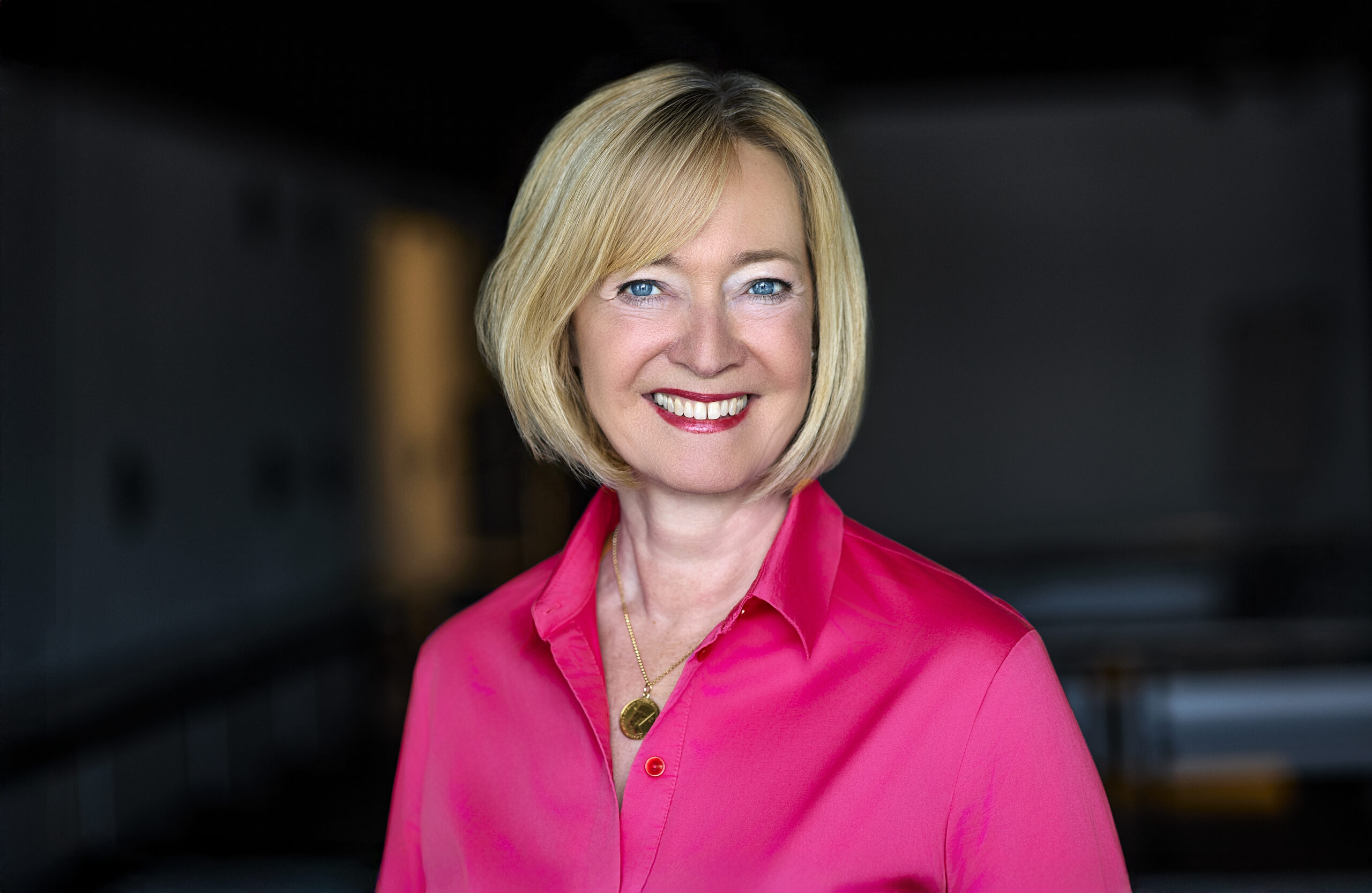
Whether in advisory or coaching contexts, I aim to support clarity, strengthen agency, and enable meaningful change, to create spaces in which new perspectives can emerge and become actionable.
Whether in advisory or coaching contexts, I aim to support clarity, strengthen agency, and enable meaningful change, to create spaces in which new perspectives can emerge and become actionable.
Over the past 30 years, I have accompanied and analysed organisational change and system reforms at universities, science and higher education agencies, European and international organisations.
In my consultancy, my focus has been on internationally informed strategy development, university system reforms, organisational transformation, and effective governance. My strengths lies in deep sector expertise, a strategic mind and the ability to bridge between diverse intellectual, cultural and personal perspectives. I work in German, English, and French.
Today, I combine strategic advisory work and professional coaching to help sustainable transformation take root across interconnected levels: from institutional strategy to individual clarity and leadership.
Whether in advisory or coaching contexts, I aim to support clarity, strengthen agency, and enable meaningful change, to create spaces in which new perspectives can emerge and become actionable.
My work is grounded in more than three decades of experience in higher education and research systems across Europe, USA, Asia and Africa.
After studies in Brussels, Heidelberg and at Yale University (M.Phil., PhD), I have advised universities, ministries and international organisations on strategy, policy and organisational development in European higher education and research systems. After several years as Head of Strategic Development at ETH Zurich, I founded my own consultancy Reichert Consulting: Policy and Strategy Development in Higher Education, as a Spin-off of ETH Zurich in 2005.
From 2014 to 2016, I served as Chancellor of the University of Erlangen–Nürnberg, with responsibility for finances, infrastructure, personnel, services and organisational development where I consolidated the budget, introduced professional staff development and substantially advanced infrastructural investment .
Since returning to my independent consultancy, I have focused my leadership advisory and policy support on international strategy development, organisational transformation, alliance governance, innovation and third mission. National excellence initiatives and international alliances, European knowledge hubs and their governance, European University alliances and international capacity-building projects have been recurrent topics.
Mandates have included work with institutions such as Trinity College Dublin, the Norwegian University of Science and Technology, University of Barcelona, Humboldt University Berlin and ETH Zurich, Tohoku University, the European Commission, the European University Assocation as well as national ministries and research or science agencies all over Europe.
My move into coaching is not a departure from this work but its continuation. Over many years, I have seen the quality of strategic leadership depend on the clarity, communicative effectiveness and reflective development of individuals. Coaching creates a space in which this dimension can be addressed more directly.
My coaching work is informed by my experience with complex organisations and leadership contexts and by an ICF-accredited Coaching Training (CCB) (link zu coaching standards hinterlegen). It combines reflective depth with a strong understanding of institutional realities, decision-making environments and power structures.
I work with individuals at different stages of their professional and personal development: from senior leaders to younger professionals in phases of orientation and transition.
In addition to advisory and coaching work, I have contributed to numerous international committees, evaluation panels and advisory bodies, including roles with European and national organisations, accreditation bodies and university alliances, e.g. as member of the Austrian Science Council, Chair of the Scientific Advisory Board of the University of Lyon, or as Chair of the Accreditation Committee of the Central European University (for AQ Austria)
These engagements continue to inform my understanding of current developments in higher education and research systems.
Dr. Sybille Reichert
Schützenstr. 54
D – 96047 Bamberg
Berlin Office
Knaackstr. 71
D – 10435 Berlin
Copyright © 2026 All Rights Reserved.